Building a brick wall is both an art and a science. Whether you're a professional mason or a homeowner considering a DIY project, understanding the fundamentals of brick wall construction is essential for creating structures that are not only beautiful but also durable and long-lasting.
Essential Materials and Tools
Before starting any brick wall project, it's crucial to have the right materials and tools on hand. Quality materials make a significant difference in the final result and longevity of your wall.
Key Materials:
- Quality Bricks: Choose bricks rated for your climate and intended use
- Mortar Mix: Type N or Type S mortar for most residential applications
- Reinforcement: Rebar or wire mesh for structural walls
- Foundation Materials: Concrete for proper footing
Foundation: The Key to Success
A brick wall is only as strong as its foundation. Proper foundation preparation prevents settling, cracking, and structural failure down the line.
Proper Depth
Dig foundation trenches at least 12 inches deep and below the frost line for your region to prevent frost heave.
Level Base
Ensure the foundation is perfectly level. Even small variations can compound as you build up, affecting stability.
The Art of Laying Bricks
Laying bricks is a skill that improves with practice, but following these fundamental techniques will help you achieve professional results from the start.
Step-by-Step Process:
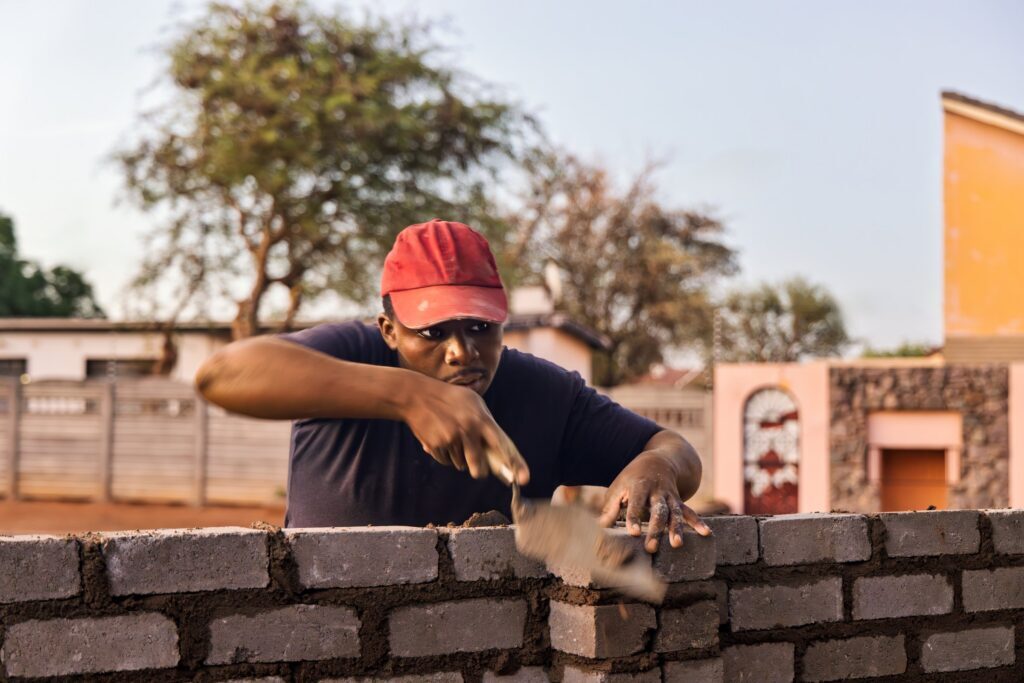
Mix Mortar Correctly
1
Achieve a consistency similar to peanut butter – not too wet or too dry. Test by forming peaks with your trowel; they should hold their shape.
Lay a Dry Course First
2
Place bricks without mortar to plan spacing and identify cuts needed. This prevents mistakes and waste.
Apply Mortar Evenly
3
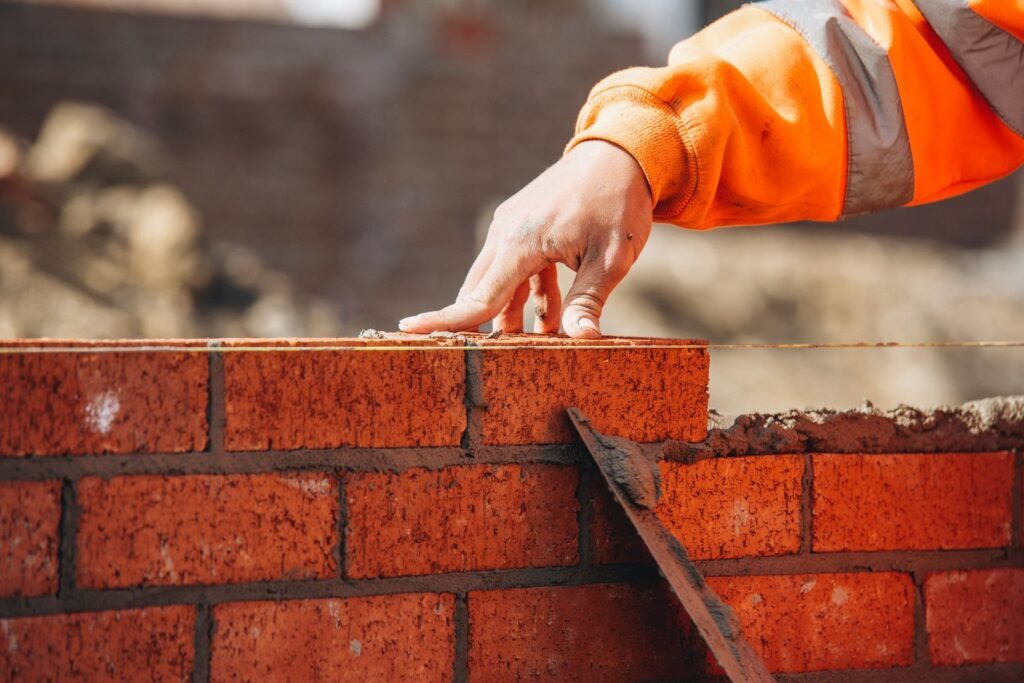
Spread a 1-inch thick mortar bed and "butter" the ends of each brick. Consistent joint thickness (typically 3/8 inch) is crucial for strength and appearance.
Use String Lines
4
Stretch a string line for each course to maintain straight, level rows. Check with a level frequently.
Tap Bricks into Place
5
Use the trowel handle to gently tap bricks level and plumb. Excess mortar should squeeze out, which you'll scrape away.
Common Brick Patterns
The pattern you choose affects both the aesthetic appeal and structural integrity of your wall. Here are the most popular patterns:
Running Bond
The most common pattern where each brick is offset by half its length. Ideal for single-wythe walls and veneer applications.
English Bond
Alternates courses of headers and stretchers. Provides excellent strength for structural walls.
Flemish Bond
Alternates headers and stretchers within each course. Creates a beautiful, classic appearance.
Stack Bond
Bricks aligned vertically. Primarily decorative; requires reinforcement for structural applications.
Finishing Touches
Proper finishing ensures your brick wall looks professional and withstands the elements for years to come.
Tooling and Joint Finishing:
Once mortar is "thumbprint hard" (firm but not fully set), tool the joints to compress and seal them. Popular joint styles include:
- Concave Joint: Most water-resistant; ideal for exterior walls
- V-Joint: Provides good water runoff and shadow lines
- Flush Joint: Simple and clean; best for interior applications
Pro Tip
After tooling joints, use a soft brush to remove loose mortar particles. This creates a cleaner appearance and prevents staining. Wait 24-48 hours before cleaning with water and a brush.
Curing and Protection
Proper curing is essential for mortar to achieve full strength. During the first 72 hours:
- Keep the wall moist by misting with water 2-3 times daily in warm weather
- Protect from freezing temperatures (below 40°F)
- Shield from direct sun and wind with burlap or plastic sheeting
- Avoid disturbing or loading the wall for at least 28 days
Common Mistakes to Avoid
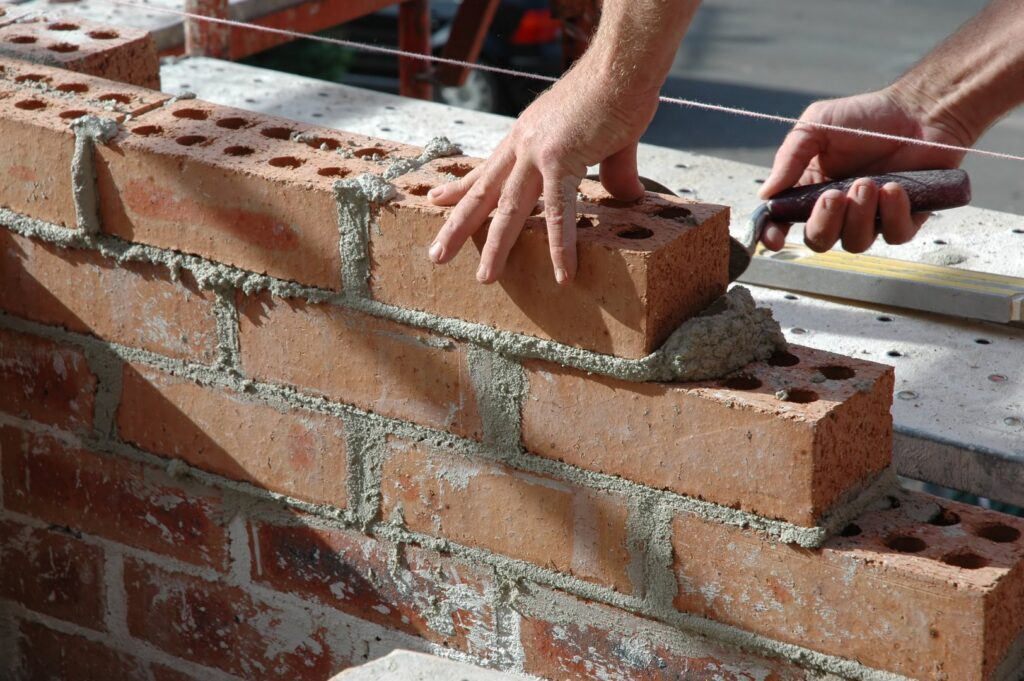
Rushing the Process
Taking shortcuts leads to weak joints and misaligned bricks. Work at a steady, consistent pace.
Inconsistent Joints
Varying joint thickness weakens the wall and creates an unprofessional appearance.
Ignoring Weather
Working in extreme temperatures or rain compromises mortar strength and bond quality.
Poor Foundation
Skimping on foundation work inevitably leads to settling, cracking, and costly repairs.