Selecting the right materials for your concrete and masonry project can feel overwhelming with so many options available. The materials you choose will impact not only the appearance of your project but also its durability, maintenance requirements, and overall cost. This guide will help you make informed decisions that balance aesthetics, functionality, and budget.
Understanding Concrete Options
Concrete is one of the most versatile building materials available. Different concrete types and finishes offer unique benefits for various applications.
Types of Concrete:
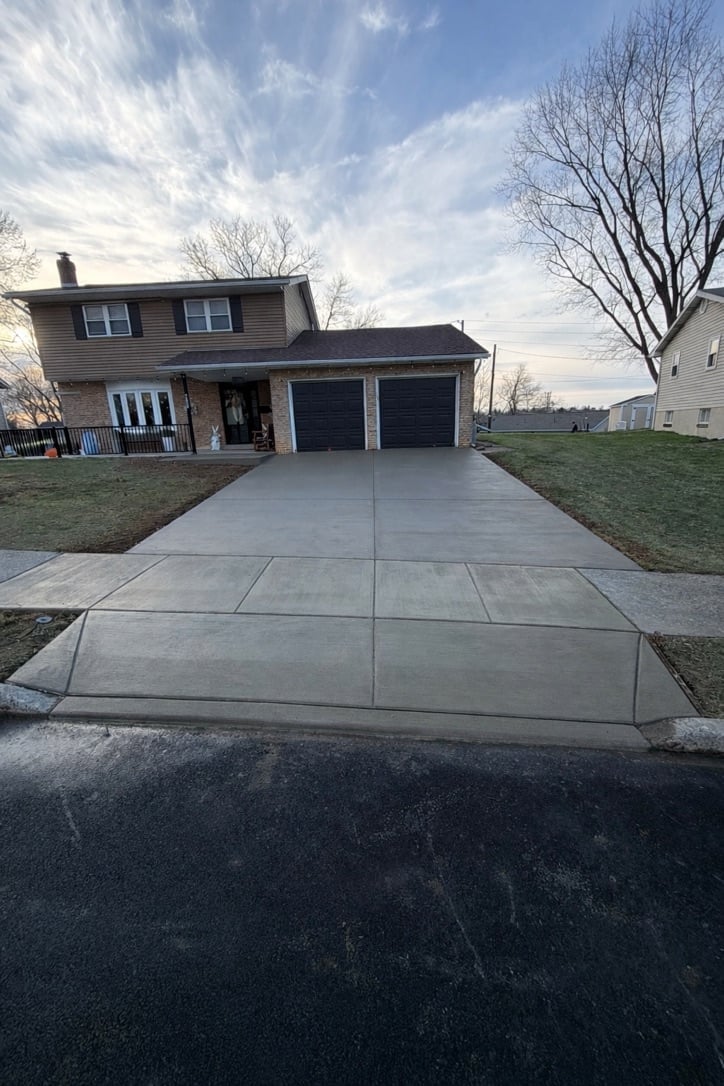
Standard Concrete
The most common and cost-effective option. Made from Portland cement, water, sand, and gravel. Ideal for driveways, sidewalks, and foundations.
✓ Most affordable ✓ Highly durable ✓ Quick installation
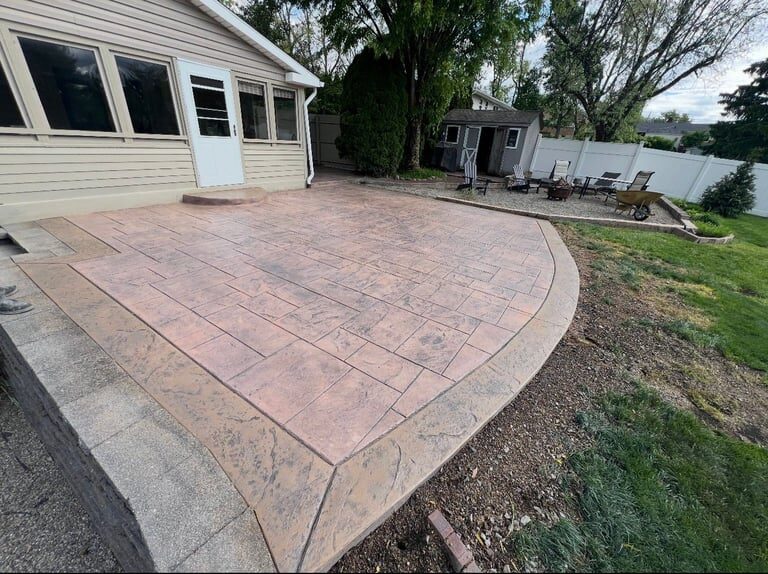
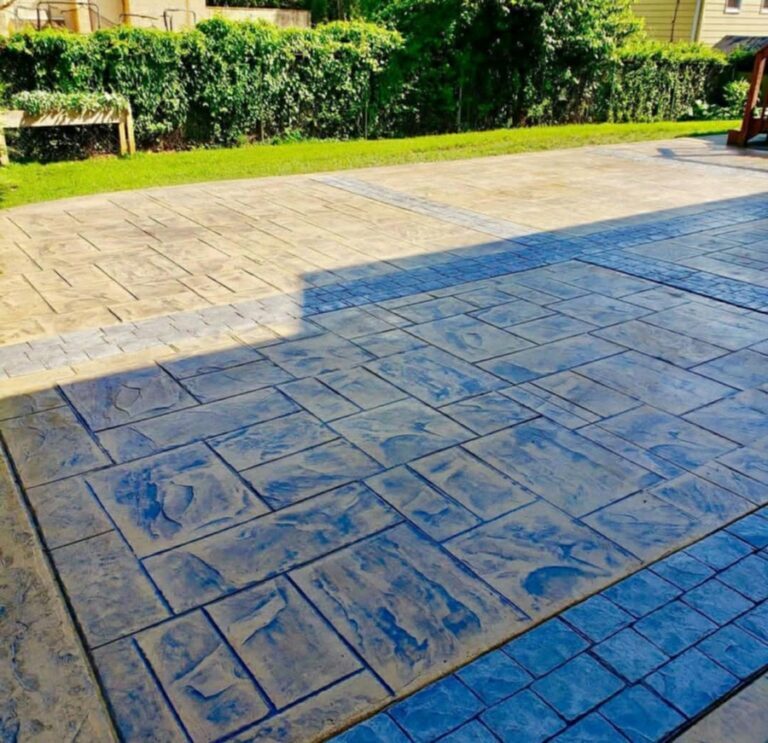
Stamped Concrete
Textured and colored to mimic brick, stone, or tile. Offers the look of premium materials at a fraction of the cost.
✓ Versatile designs ✓ Lower cost than natural stone ✓ Customizable
Colored Concrete
Pigments added to the concrete mix create consistent, permanent color throughout the material. Available in earth tones and custom colors.
✓ Permanent color ✓ Low maintenance ✓ UV resistant
Exposed Aggregate
Top layer removed to reveal decorative stones within the concrete. Provides texture and slip resistance, perfect for pool decks and patios.
✓ Slip-resistant ✓ Decorative appeal ✓ Durable finish
Brick Selection Guide
Bricks have been used in construction for thousands of years, and modern manufacturing offers incredible variety in terms of color, texture, and performance characteristics.
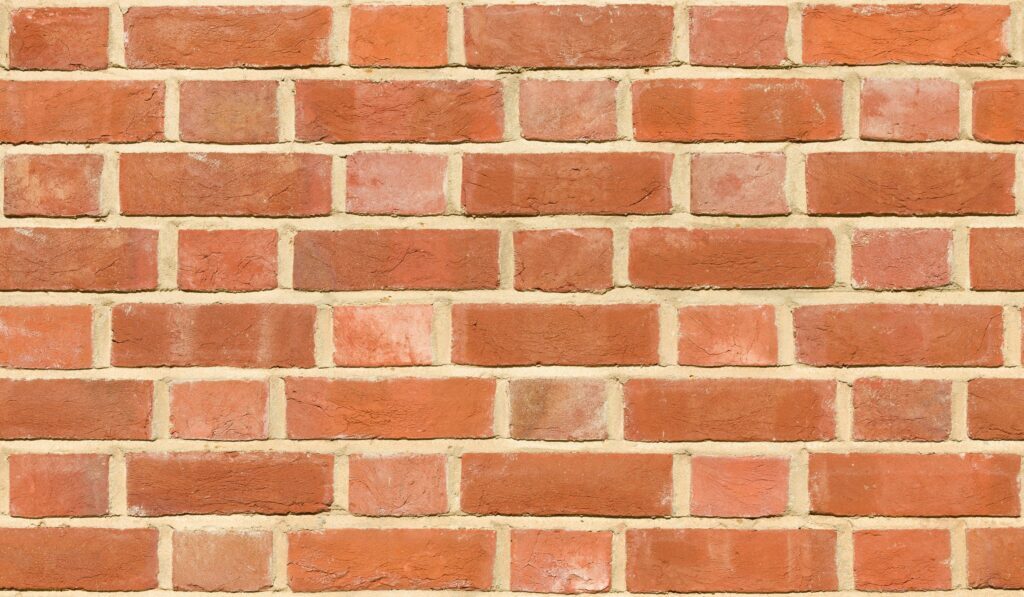
Building Bricks (Common)
Economical option for structural walls and applications where appearance is secondary.
Best for: Foundations, interior walls, backup walls
Face Bricks
High-quality bricks designed for exposed surfaces. Available in numerous colors and textures.
Best for: Exterior walls, facades, decorative features
Fire Bricks
Specialized bricks that withstand high temperatures without degrading.
Best for: Fireplaces, pizza ovens, chimneys
Paving Bricks
Dense, durable bricks designed to withstand vehicle traffic and freeze-thaw cycles.
Best for: Driveways, walkways, patios
Understanding Brick Grades
Bricks are graded based on weather resistance:
- SW (Severe Weather): Best for harsh climates with freeze-thaw cycles
- MW (Moderate Weather): Suitable for most climates
- NW (No Weather): Interior use only
Natural Stone Options
Natural stone offers unmatched beauty and uniqueness, with each piece being one-of-a-kind. However, different stone types have varying characteristics and maintenance needs.
Granite
Extremely hard and durable. Resistant to scratching, heat, and staining. Available in wide color range from light grays to deep blacks and reds.
Ideal for: Countertops, outdoor steps, high-traffic areas
Limestone
Softer stone with warm, natural tones. Develops beautiful patina over time. Requires sealing in outdoor applications.
Ideal for: Facades, interior walls, fireplaces
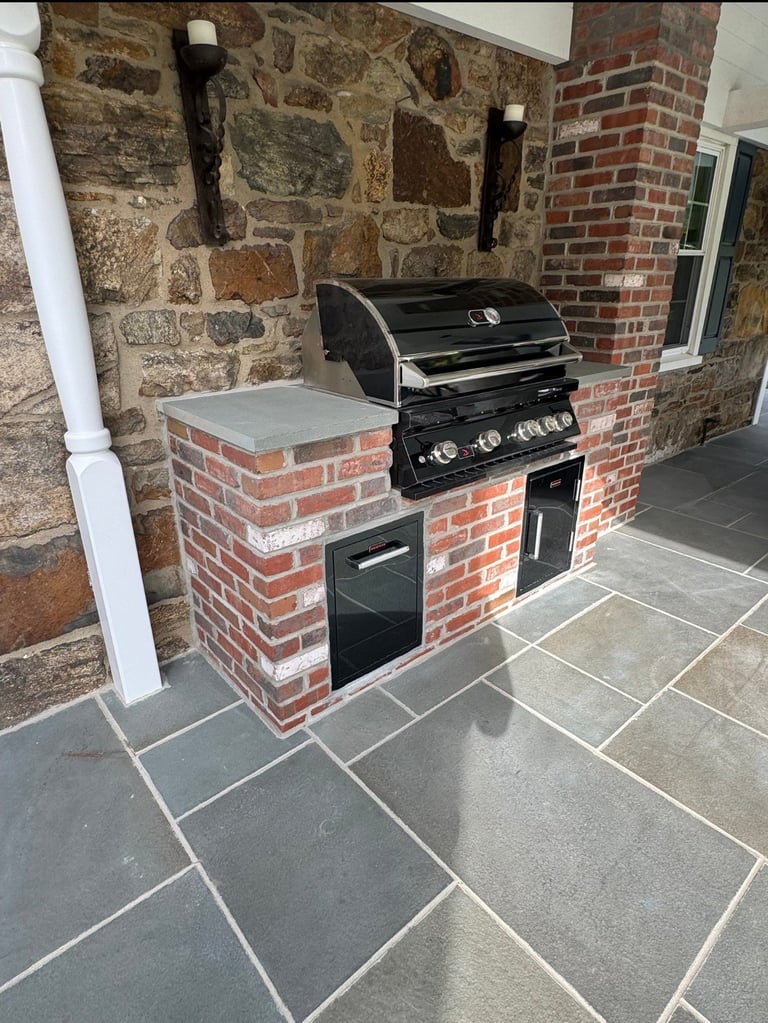
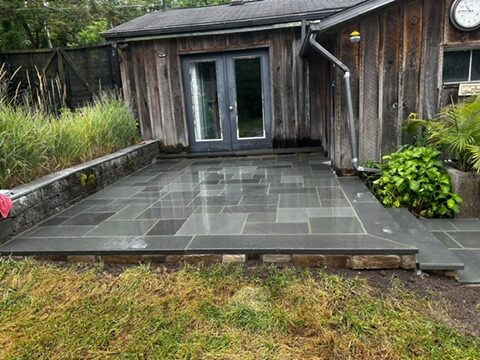
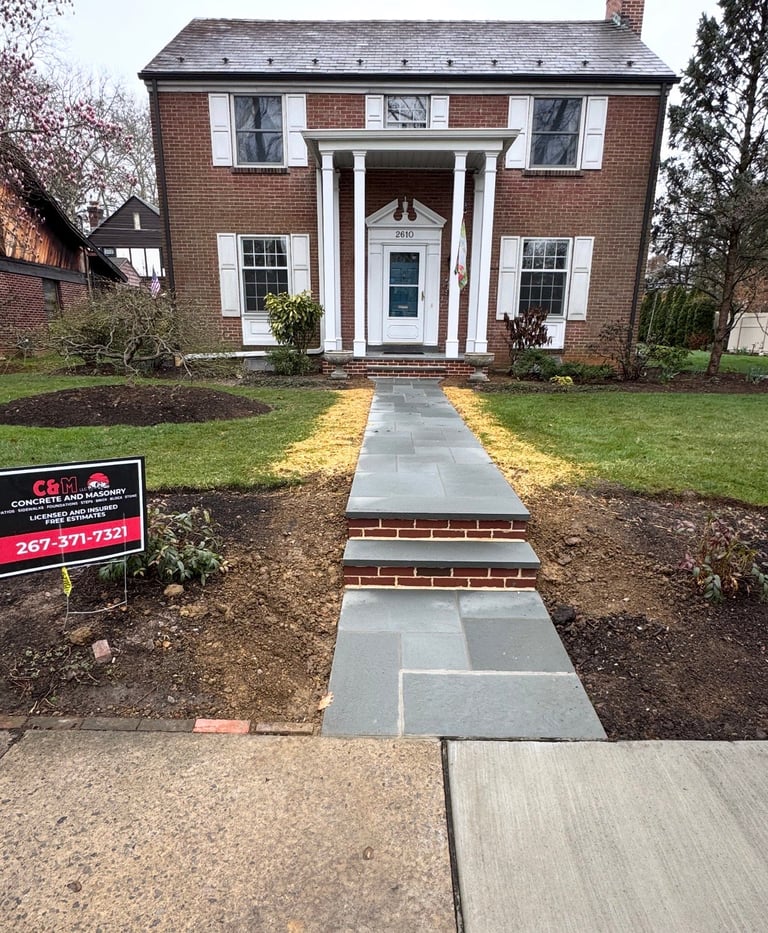
Bluestone
Dense and durable with distinctive blue-gray coloring. Natural cleft surface provides excellent slip resistance.
Ideal for: Patios, pool decks, walkways
Flagstone
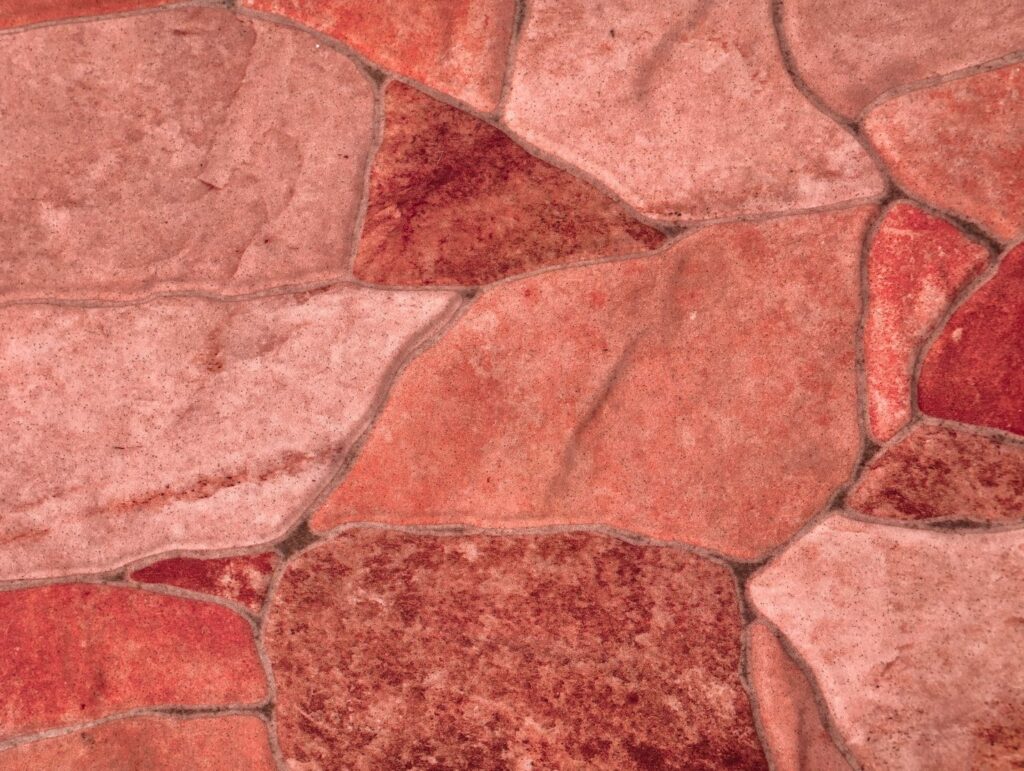
Flat, irregularly shaped stones. Creates rustic, natural appearance. Available in sandstone, slate, and limestone varieties.
Ideal for: Pathways, patios, garden features
Slate
Dense, fine-grained stone with natural layering. Highly water-resistant. Rich colors including grays, greens, purples, and blacks.
Ideal for: Roofing, floors, wall cladding
Concrete Block (CMU) Selection
Concrete Masonry Units (CMUs or concrete blocks) offer strength, fire resistance, and sound insulation at an economical price point.
Common Block Types:
Standard Hollow Block
Most common type. Two or three cores for lighter weight and better insulation. Used for walls and foundations.
Solid Block
No cores. Maximum strength and load-bearing capacity. Used for columns and high-stress applications.
Split-Face Block
Textured surface mimics natural stone. Decorative and functional for retaining walls and features.
Insulated Block
Foam inserts in cores for superior thermal performance. Ideal for energy-efficient construction.
Making the Right Choice: Key Factors
Budget
Consider both initial costs and long-term maintenance. Sometimes spending more upfront saves money over the project's lifetime.
Climate
Your local weather patterns should heavily influence material selection. Freeze-thaw cycles, humidity, and temperature extremes matter.
Aesthetics
Materials should complement your home's architecture and your personal style while fitting the neighborhood character.
Maintenance
Some materials require regular sealing, cleaning, or other upkeep. Consider your willingness to perform ongoing maintenance.
Durability
Match material strength to the application. High-traffic areas need harder, more resistant materials than decorative features.
Timeline
Some materials require longer installation times or special curing periods. Factor this into your project schedule.
Pro Tip
Don't make material decisions based solely on online photos or small samples. Visit completed projects in person when possible, and see materials in different lighting conditions. What looks perfect in morning light might not work at dusk.
Working with Professionals
While this guide provides a solid foundation for understanding material options, nothing replaces the expertise of experienced masonry professionals. We can:
- Assess your specific site conditions and recommend optimal materials
- Provide samples and examples from completed projects
- Source high-quality materials at competitive prices
- Explain maintenance requirements and long-term expectations
- Help balance your aesthetic vision with practical considerations