Your pool deck is more than just a functional surface—it's the centerpiece of your backyard retreat. A well-designed and properly installed pool deck enhances safety, comfort, and aesthetics while providing years of enjoyment. Whether you're building a new pool or renovating an existing one, choosing the right materials and installation approach is crucial for long-term satisfaction.
Why Your Pool Deck Matters
The pool deck serves multiple critical functions that directly impact your swimming experience and property value.
Safety First
Slip-resistant surfaces prevent accidents around wet areas. Proper drainage eliminates standing water that creates hazards.
Comfort & Function
Cool-to-the-touch materials provide barefoot comfort. Adequate space accommodates lounging, dining, and entertaining.
Aesthetic Appeal
Beautiful decking creates a resort-like atmosphere and significantly enhances your outdoor living space.
Property Value
Quality pool decks increase home value and appeal to potential buyers if you decide to sell.
Popular Pool Deck Materials
Each material offers unique benefits and considerations. Here's what you need to know to make the right choice:
Concrete
Most Popular & Versatile
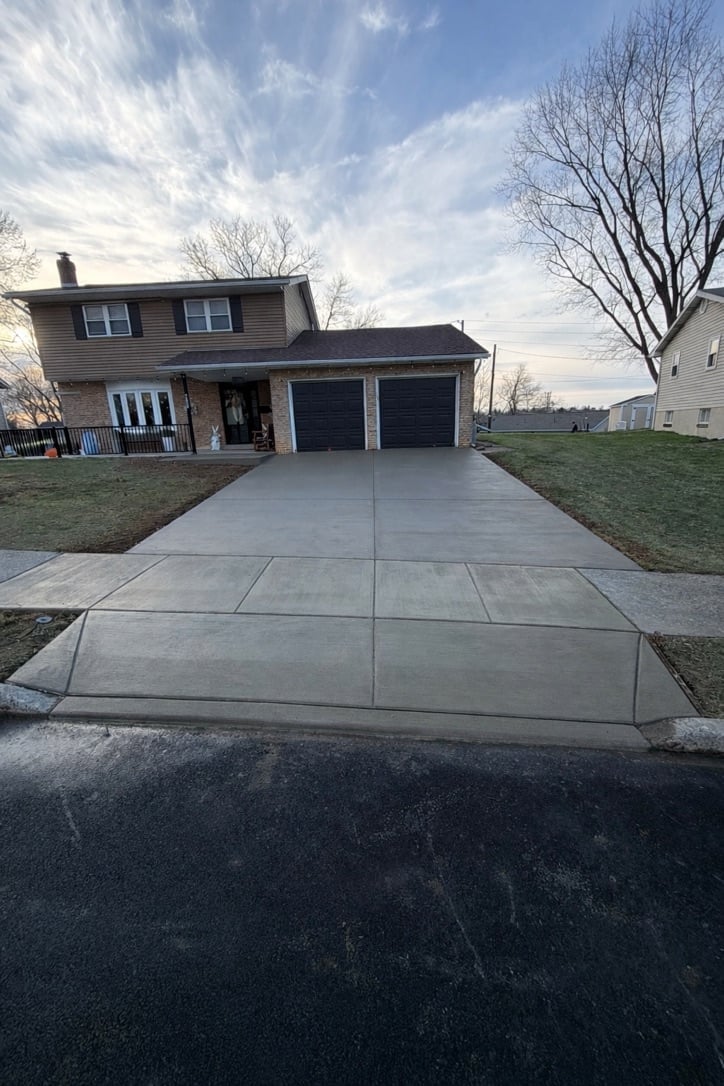
Standard or decorative concrete remains the most popular choice due to its versatility and value. Options include stamped, colored, and exposed aggregate finishes.
Advantages:
- • Most affordable option
- • Highly durable (30+ years)
- • Customizable finishes
- • Can be resurfaced
Considerations:
- • Can crack over time
- • Gets hot in direct sun
- • Requires sealing
- • Limited repair options
Pavers
Premium Appearance & Flexibility
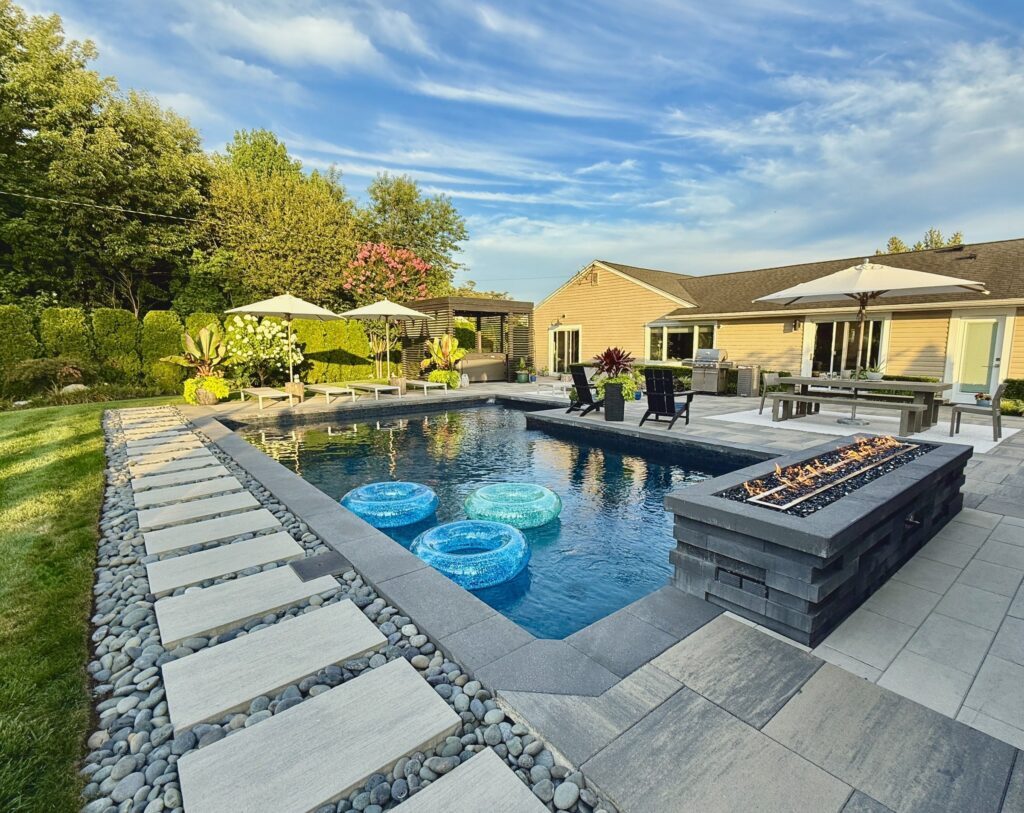
Concrete, brick, or natural stone pavers offer unmatched beauty and design flexibility. Individual units create stunning patterns and easy repairs.
Advantages:
- • Beautiful, upscale look
- • Easy individual repairs
- • Excellent slip resistance
- • Wide design variety
Considerations:
- • Higher initial cost
- • Weeds can grow in joints
- • May shift over time
- • More complex installation
Natural Stone
Luxury & Natural Beauty
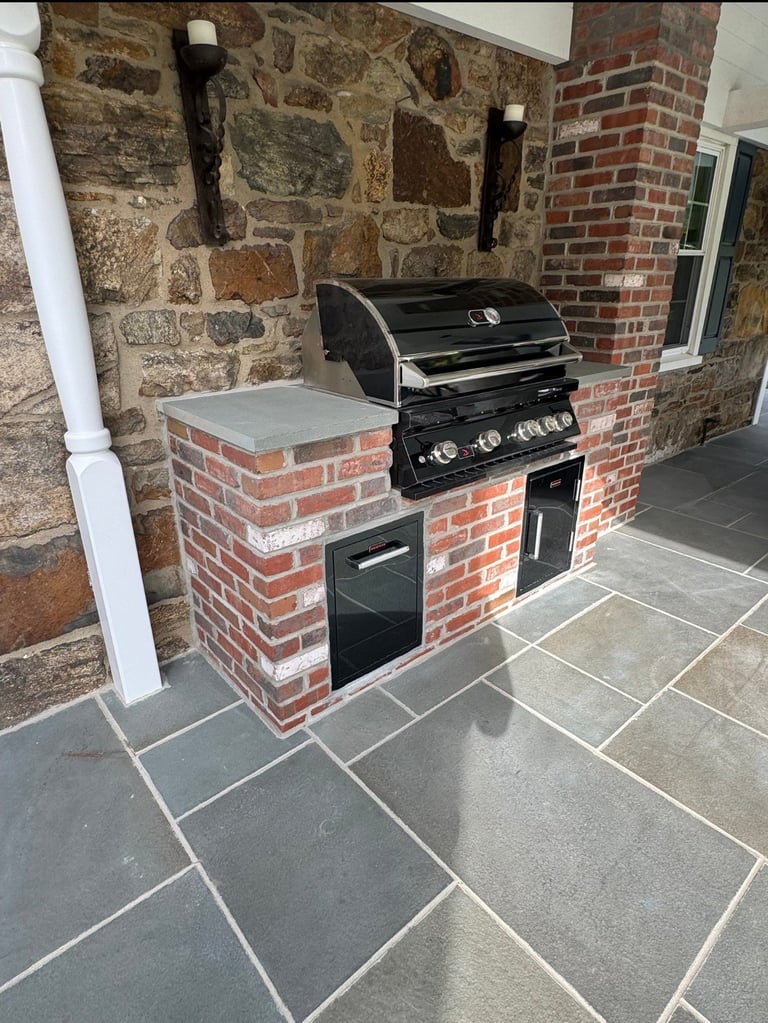
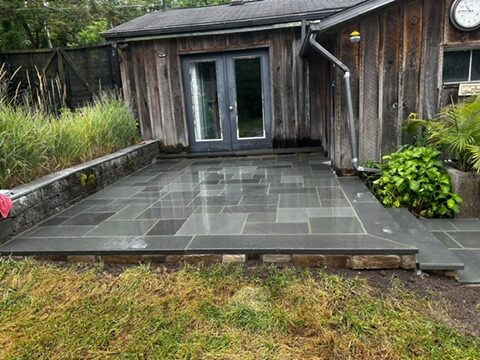
Travertine, bluestone, and flagstone provide unmatched natural beauty. Each piece is unique, creating a one-of-a-kind outdoor space.
Advantages:
- • Stays cooler in sun
- • Unique, natural beauty
- • Extremely durable
- • High-end appearance
Considerations:
- • Highest cost option
- • Requires sealing
- • Color variations
- • Professional install needed
Stamped Concrete
High-End Look at Mid-Range Price
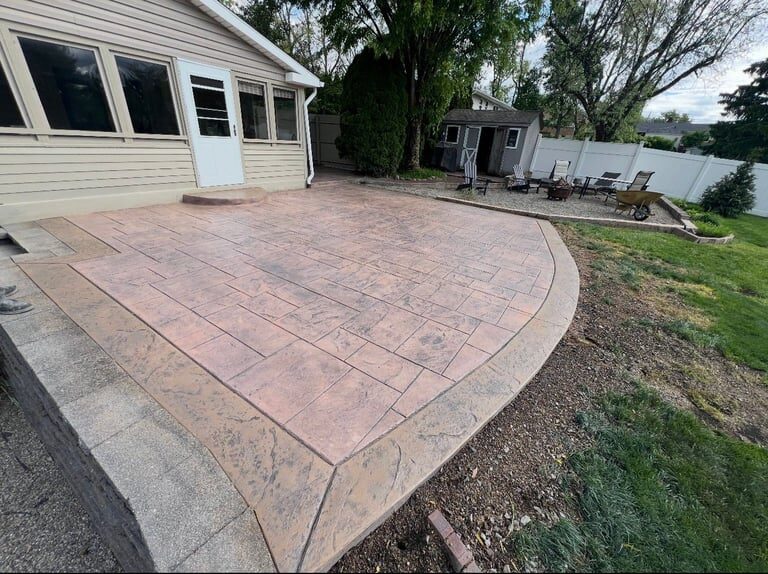
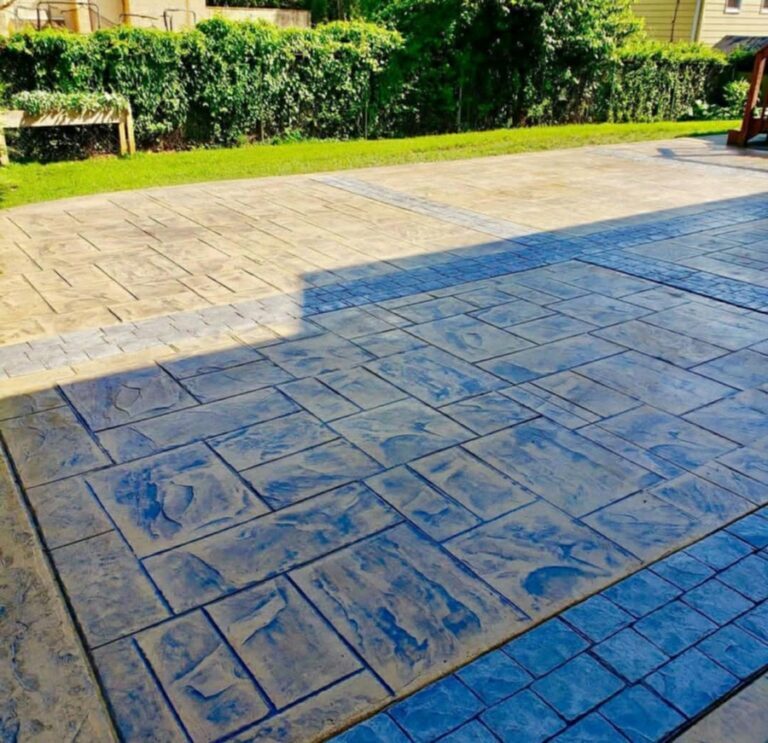
Concrete stamped to mimic stone, brick, or tile patterns. Offers premium appearance at a fraction of natural stone costs.
Advantages:
- • Stone look, concrete price
- • Seamless surface
- • Countless patterns/colors
- • Slip-resistant textures
Considerations:
- • Can crack like concrete
- • Difficult to repair
- • Requires resealing
- • Quality varies by installer
Design Considerations
Thoughtful design ensures your pool deck meets all your functional and aesthetic needs:
Size & Layout
- Minimum Width: 4 feet around all sides of the pool for safe walking and access
- Lounge Areas: Plan 8-10 feet of deck space for chaise lounges and traffic flow
- Dining Space: Allow 10x12 feet minimum for outdoor dining furniture
- Deep End Consideration: Wider deck near diving areas for safety and gathering space
Safety Features

Slip Resistance
Choose textured finishes that provide grip when wet. Avoid polished surfaces that become dangerously slippery.
Proper Drainage
Slope deck away from pool at 1/4 inch per foot minimum. Eliminate standing water that creates slip hazards and mosquito breeding grounds.
Edge Treatment
Rounded or bullnose edges prevent injuries from sharp corners. Consider coping stones for attractive, safe pool edges.
Heat Reflection
Light-colored materials stay cooler for barefoot comfort. Dark surfaces can become uncomfortably hot in direct summer sun.
Installation Process
Professional installation ensures longevity and performance. Here's what to expect:
Site Preparation
1
Excavate to proper depth, compact soil, and establish drainage patterns. This foundation work is critical for long-term performance.
Base Installation
2
Install gravel base (typically 5-6 inches) and compact thoroughly. A stable base prevents settling and cracking.
Surface Installation
3
Pour concrete, lay pavers, or set stone according to your chosen material. Proper technique ensures even surfaces and correct slopes.
Finishing & Sealing
4
Apply decorative finishes, seal surfaces, and complete edges. Proper sealing protects against water damage, stains, and fading.
Curing & Protection
5
Allow concrete to cure properly (7-28 days depending on material). Protect from traffic and weather during this critical period.
Timeline Expectations
Most pool deck installations take 1-2 weeks from start to finish, depending on size and complexity:
- • Concrete: 3-5 days installation + 7-14 days curing
- • Pavers: 5-10 days depending on pattern complexity
- • Natural Stone: 7-14 days for custom installations
Maintenance Tips
Keep your pool deck looking beautiful with these simple maintenance practices:
Regular Cleaning
Sweep weekly and rinse monthly. Power wash annually to remove buildup. Address stains immediately for easier removal.
Sealing Schedule
Reseal concrete and stone every 2-3 years. Test water absorption annually—if water soaks in rather than beading, it's time to reseal.
Address Issues Promptly
Repair cracks immediately to prevent expansion. Reset loose pavers before they create trip hazards. Fix drainage problems quickly.
Winter Care
Avoid de-icing salts that damage surfaces. Remove snow promptly. Cover furniture and accessories to prevent weathering.
Cost Considerations
Every pool deck is priced individually, based on its size, material and site conditions. We give you a clear, written quote with your free estimate.